
Sewage Backup in Houston: The First Safe Steps
Protect occupants first, then address the source and the property.
Read guide →Keep the area contained and check independent provider options for extraction, material removal, cleaning and structural drying.
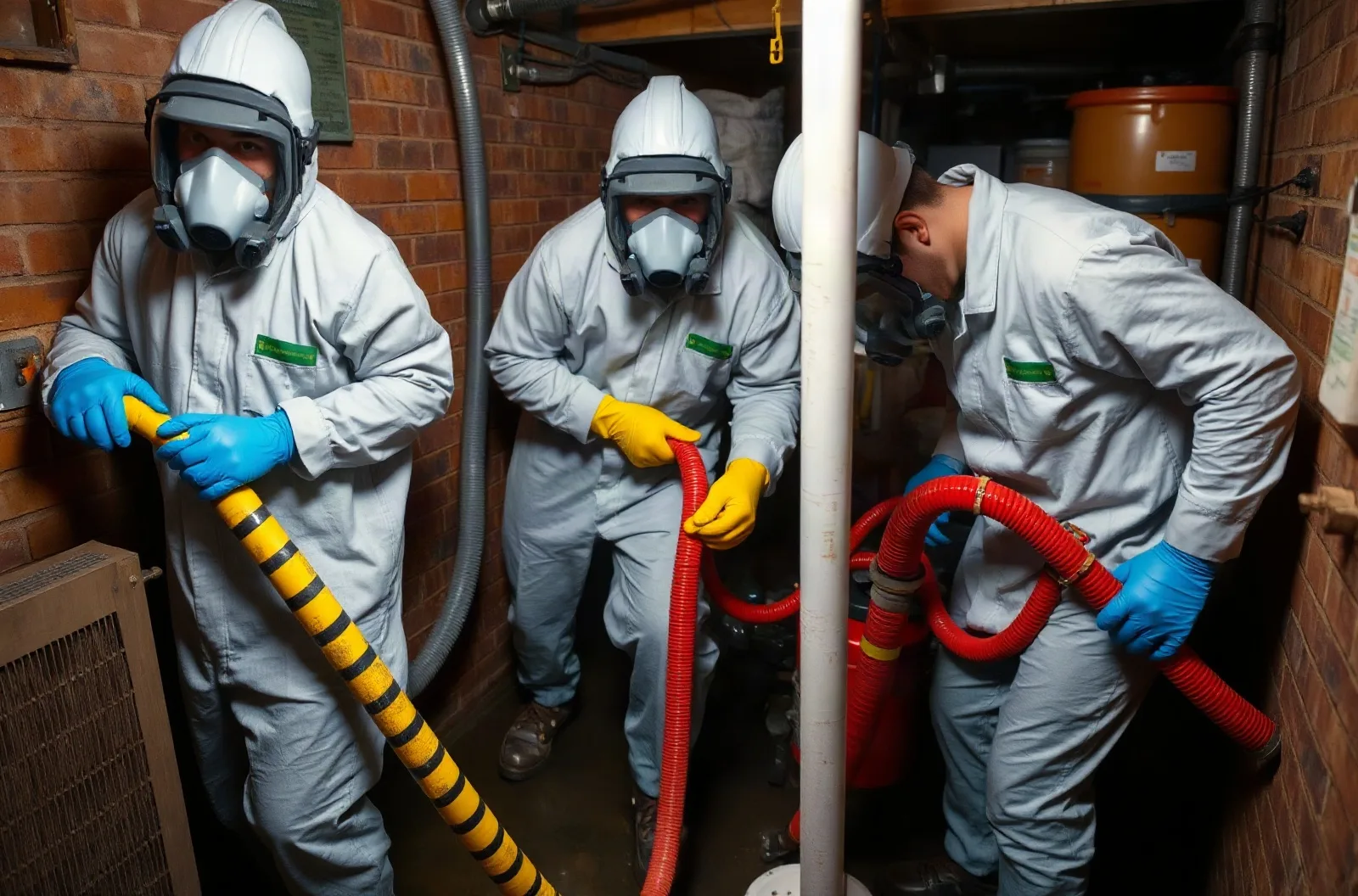
Choose the closest situation for safety guidance and the cleanup stages to ask about.
Check professional sewage backup cleanup options across Houston for contaminated water removal, cleaning and drying.
Read the cleanup guide →Bathroom containment and adjacent flooringCheck cleanup options for sewage-contaminated toilet overflows in Houston homes and businesses.
Read the cleanup guide →Leaks inside cabinets, walls and structural cavitiesProfessional cleanup referral options for damaged sewage pipes in Houston-area properties.
Read the cleanup guide →Heavy rain, bayou flooding and sewer backupCheck cleanup options for sewage backups and contaminated water after heavy rain in the Houston area.
Read the cleanup guide →Slab edges, flooring and lower wall cavitiesProperty-specific sewage cleanup for Houston slab homes, flooring and lower wall assemblies.
Read the cleanup guide →Occupant safety and operational coordinationCheck commercial sewage cleanup options for Houston offices, retail, restaurants and managed properties.
Read the cleanup guide →Source removal, cleaning and moisture verificationCheck professional cleaning, sanitizing and structural drying options after sewage contamination in Houston.
Read the cleanup guide →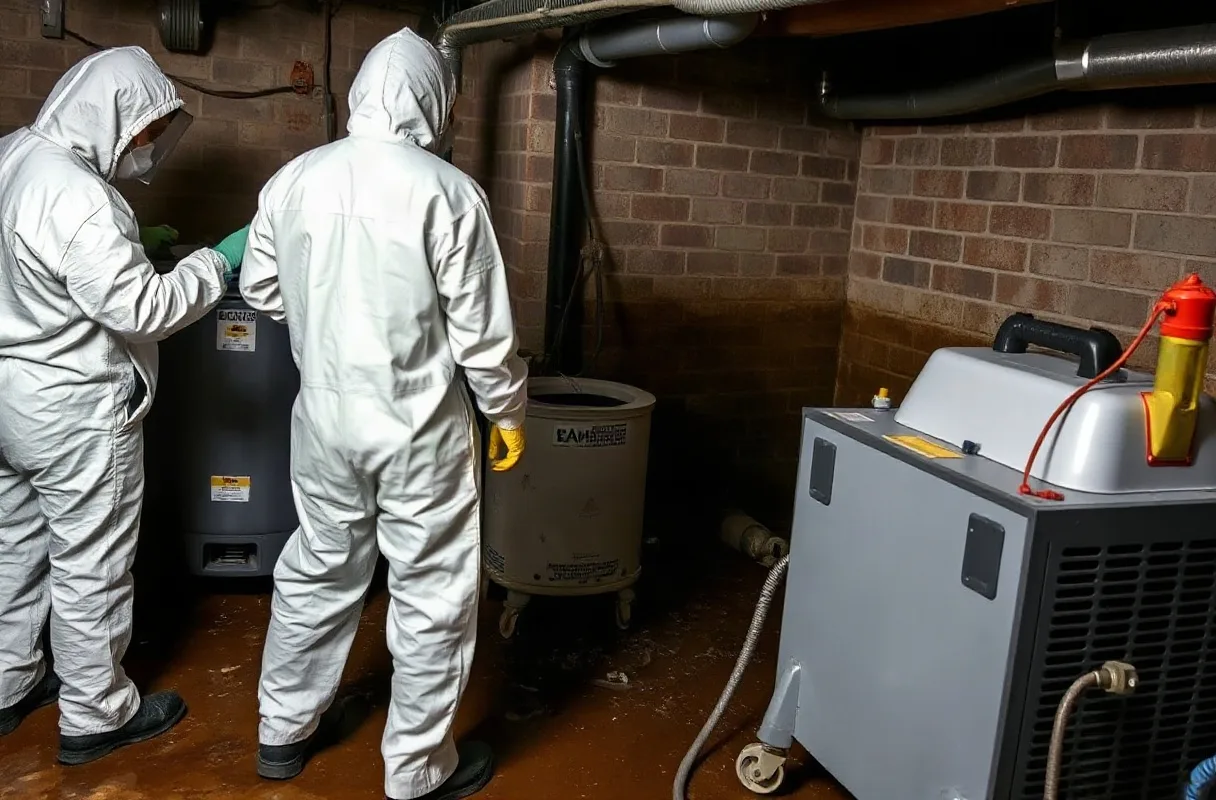
The provider checks the source, safe access and spread into flooring, slab edges and walls.
Contaminated water and unsalvageable porous materials are addressed before suitable surfaces are cleaned.
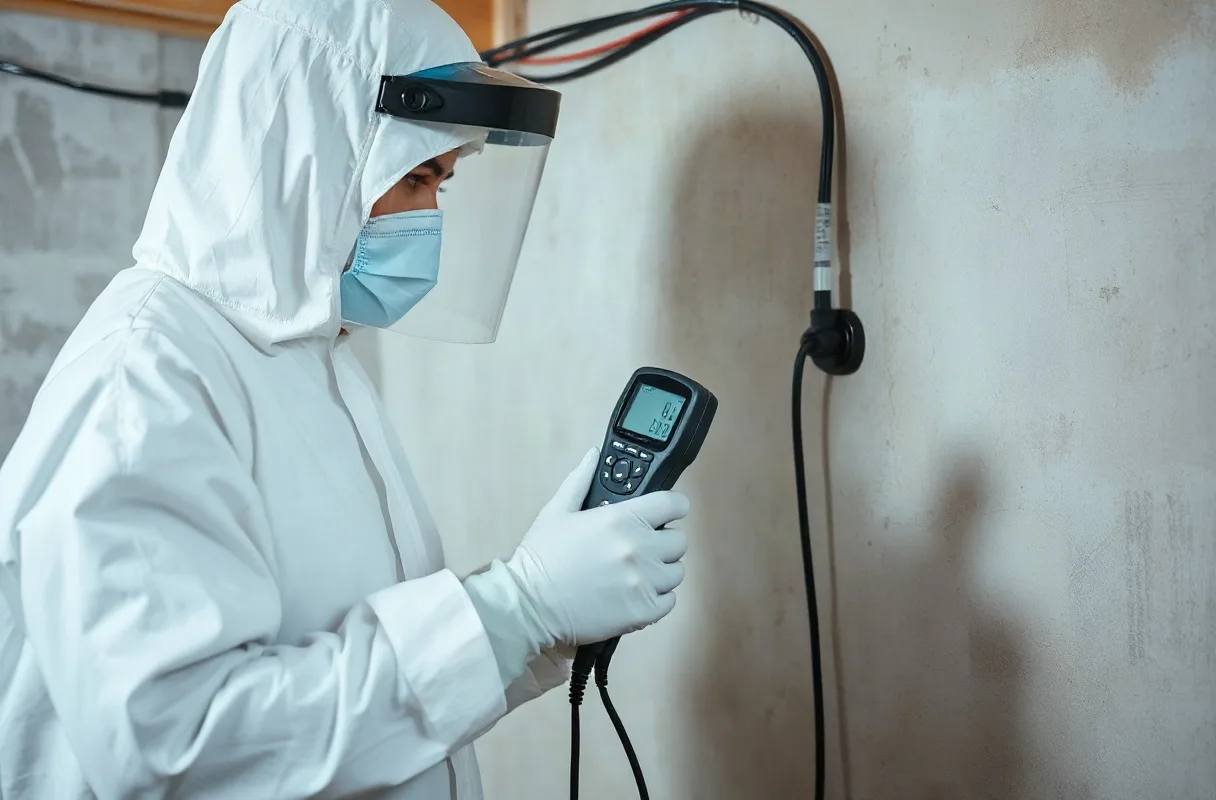
Moisture readings guide equipment and repair decisions. Plumbing and reconstruction remain separate.
We are a referral service, not a cleanup contractor. Independent providers assess the property and establish their own methods, schedules and prices.
Travel and property access matter. Choose an area, then call for current availability.
General information, not a site-specific safety or insurance assessment.
Avoid contact and keep the area isolated. Contaminated water can require dedicated extraction, porous-material removal, cleaning and controlled drying. A professional provider should assess the property.
Do not use household vacuums or fans for sewage-contaminated water. They can create safety risks and spread contamination. Never enter standing water that may be electrified.
Source repair and property cleanup are usually separate scopes. A plumber may stop the failure, while a cleanup provider handles contaminated water, materials and drying. Ask for each scope in writing.
It can travel along the concrete slab beneath finished flooring and into baseboards or lower wall cavities. A provider should assess hidden spread rather than only the visible puddle.
It depends on the contamination, material and extent. Porous materials often require removal, but the provider must assess what can be cleaned and what should be discarded.
Coverage depends on the policy, cause and endorsements. Plumbing failures, sewer backup and outside flooding can differ. Ask the insurer about classification, deductible and required documentation.
Timing depends on the affected area, materials, access and moisture conditions. Extraction and removal are separate from drying and reconstruction. The provider should explain the phases after assessment.
Ask about containment, extraction, material removal, cleaning, drying, disposal and moisture verification. Clarify plumbing, reconstruction and any additional charges separately.
Read about first actions, slab-home moisture and insurance questions.
Protect occupants first, then address the source and the property.
Read guide →The visible bathroom puddle may not show the full affected area.
Read guide →Plumbing failure, sewer backup and outside floodwater may not be covered the same way.
Read guide →